Collection: Dolby Atmos Speakers

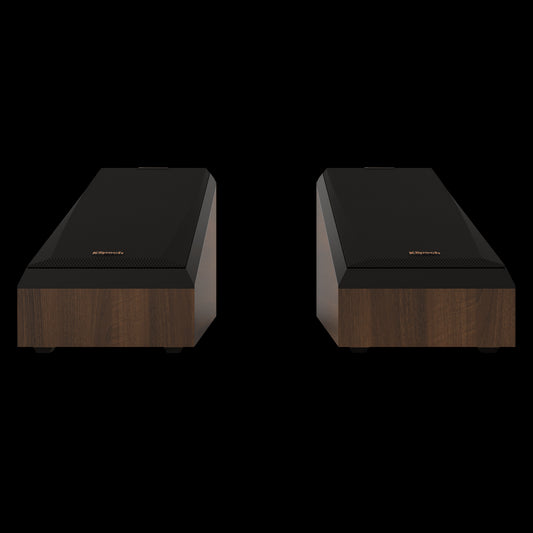
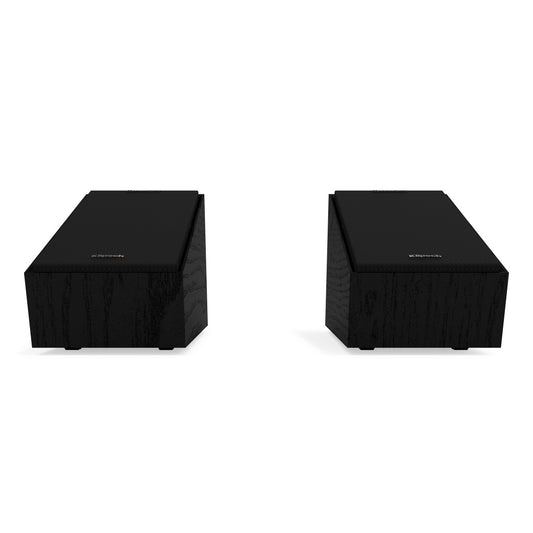
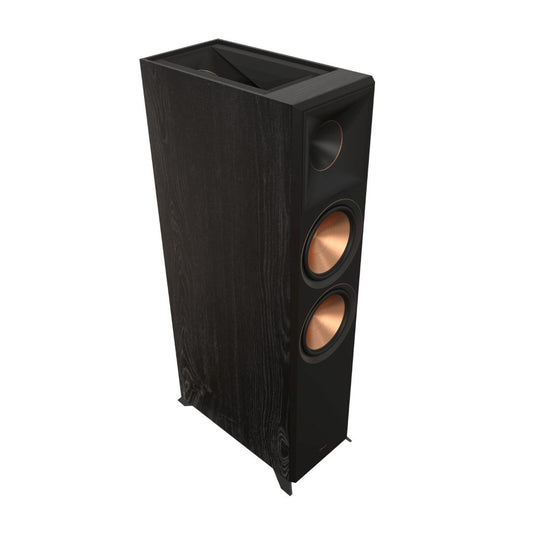
Dolby Atmos speakers add height information to a home cinema system, creating a more immersive three-dimensional sound field above and around the listening position. Depending on the system, height effects can be reproduced by dedicated Atmos modules or by floorstanding speakers with integrated upward-firing channels.

Our selection includes both approaches, allowing you to add Dolby Atmos to an existing speaker system or build it directly into a complete home cinema setup.

How to choose Dolby Atmos speakers

Dolby Atmos adds height channels to a conventional surround system, allowing soundtracks to reproduce effects above the listening area as part of a three-dimensional sound field. The right speaker solution depends on your existing system, room layout, ceiling and intended channel configuration.

Atmos modules or integrated Atmos speakers

Dedicated Atmos modules can be added to compatible front or surround speakers, making them a practical way to expand an existing home cinema system.

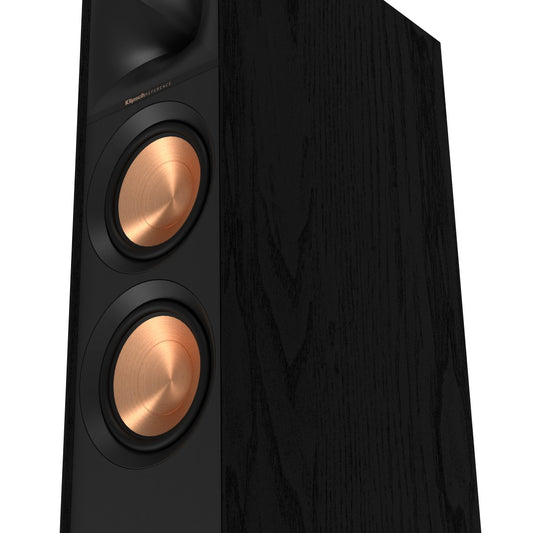
Some floorstanding speakers integrate an additional upward-firing Atmos channel into the cabinet. This provides a cleaner all-in-one installation while retaining separate connections and amplification for the height channel.

Upward-firing sound

Upward-firing Atmos speakers direct sound towards the ceiling so that reflected energy reaches the listening area from above. Their performance therefore depends partly on the room and ceiling.

Ceiling height, shape and surface can influence the effectiveness of this approach. A relatively flat, reflective ceiling generally provides more predictable results than a very high, sloped or strongly absorptive ceiling.

AV receiver and amplification

Adding Atmos channels requires an AV receiver or processor capable of decoding Dolby Atmos and supporting the intended number of channels.

Remember that integrated Atmos floorstanding speakers still require separate amplification channels for their height drivers. The Atmos section is not simply powered internally by the main speaker connection.

System configuration

The number of Atmos speakers depends on the intended layout and the capabilities of the AV receiver or processor. Common configurations can use two or four height channels in addition to the conventional ear-level speakers.

For best results, speaker position and channel assignment should be planned as part of the complete system.

Finding the right solution

Start with your existing speaker system, room size and AV electronics. Dedicated Atmos modules are particularly useful when upgrading an existing system, while floorstanding speakers with integrated Atmos channels provide an elegant solution when building or replacing the complete front speaker system.

Understanding our recommendations

Use our recommended room size as a starting point when comparing Dolby Atmos speaker solutions. Ceiling characteristics, listening distance and the complete system configuration should also be considered.

Recommended room size

Small room — up to approximately 15 m²
Medium room — approximately 15–30 m²
Large room — approximately 30 m² and above

These are ExclusivIT starting recommendations, not absolute requirements. Room acoustics, listening distance, speaker placement and the desired listening level can influence the optimum choice.

Need help choosing?

Not sure which Dolby Atmos solution is right for your system? Tell us which speakers and AV receiver or processor you use, your room dimensions, ceiling height and intended channel configuration. We can help you determine the most appropriate Atmos setup.

Ask for advice