VAT included for EU deliveries. For non-EU destinations, VAT is not charged and local import duties or taxes may apply upon delivery.Shipping calculated at checkout.
Quantity
Available to order — typically ships within 7 business days, subject to supplier availability.
Couldn't load pickup availability
✓
2-year warranty
✓
Fast shipping from EU
✓
Secure payment
✓
14-day return policy
Estimated delivery if available from supplier: Wednesday 25 November
Notify me when it's back in stock
Prefer to wait? Enter your email and we'll let you know when this product is back in stock.
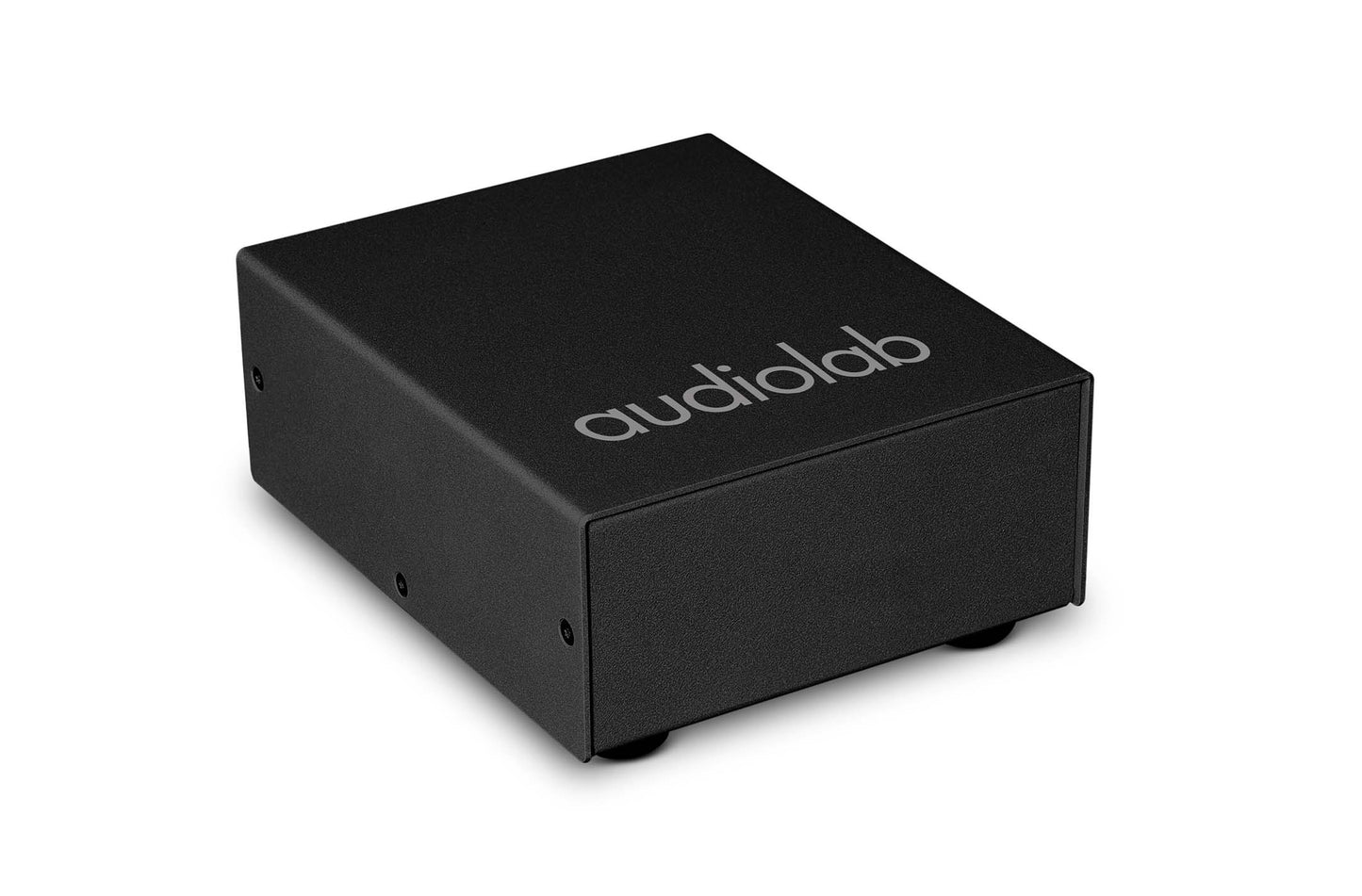
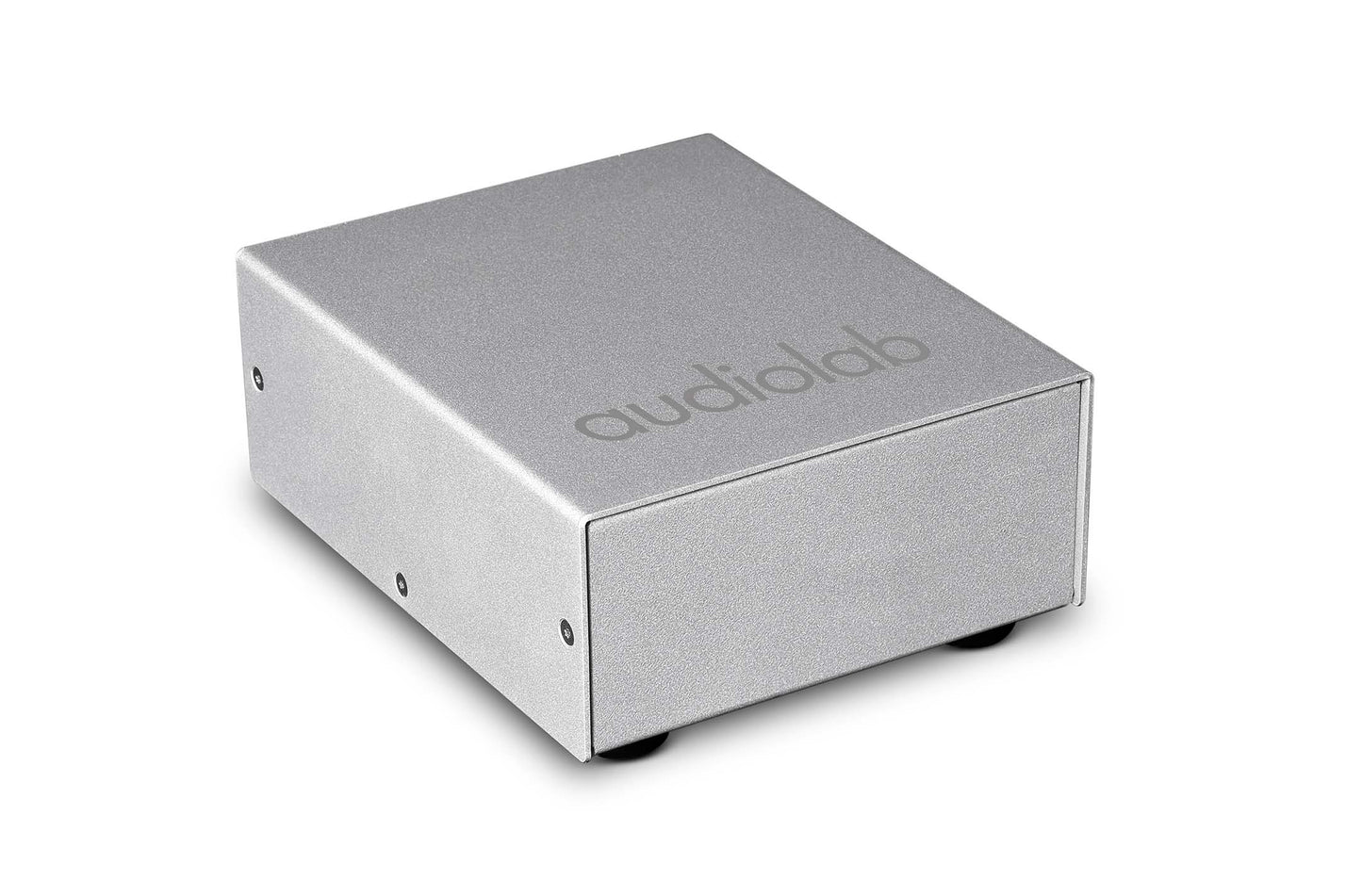
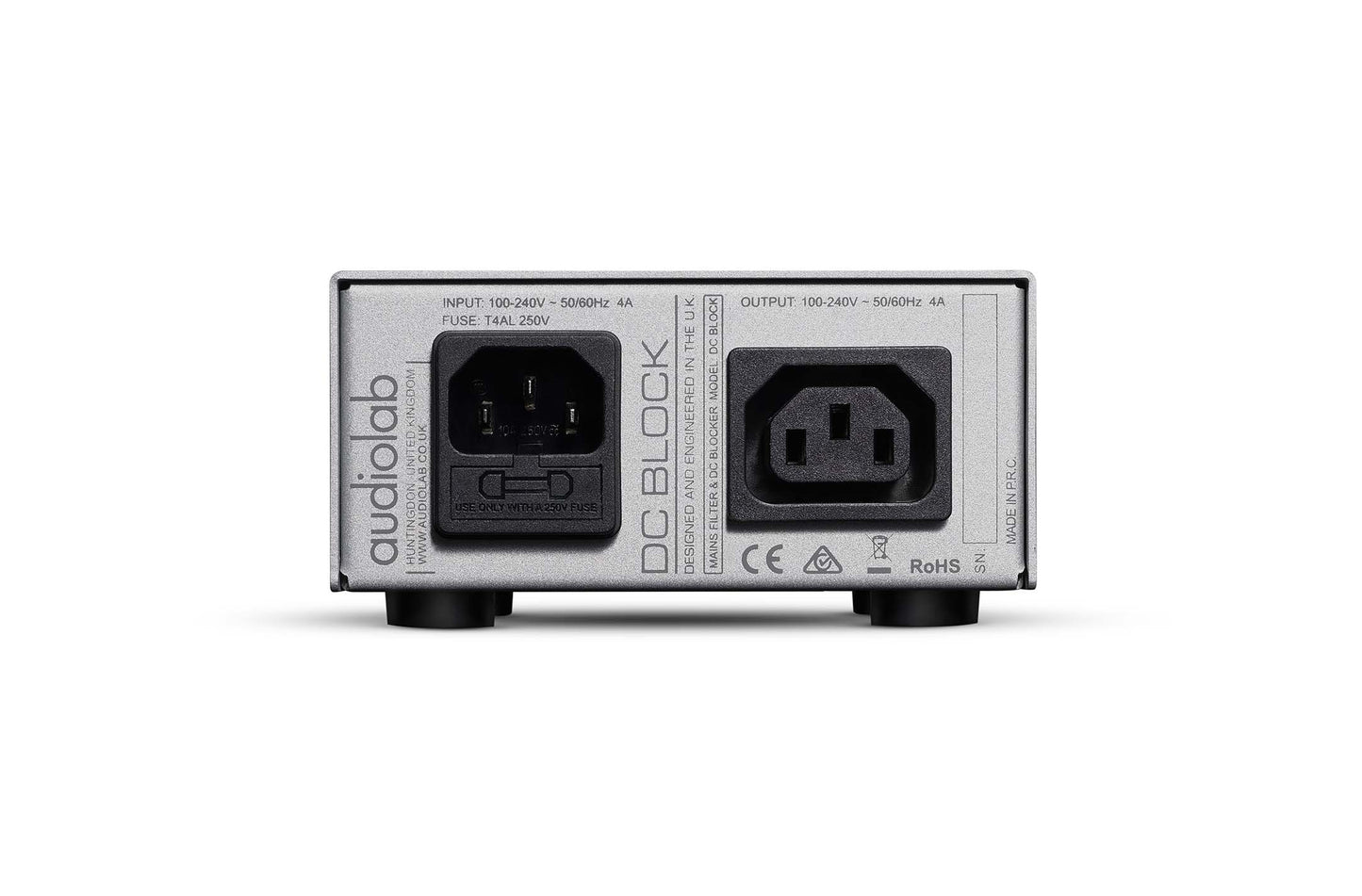
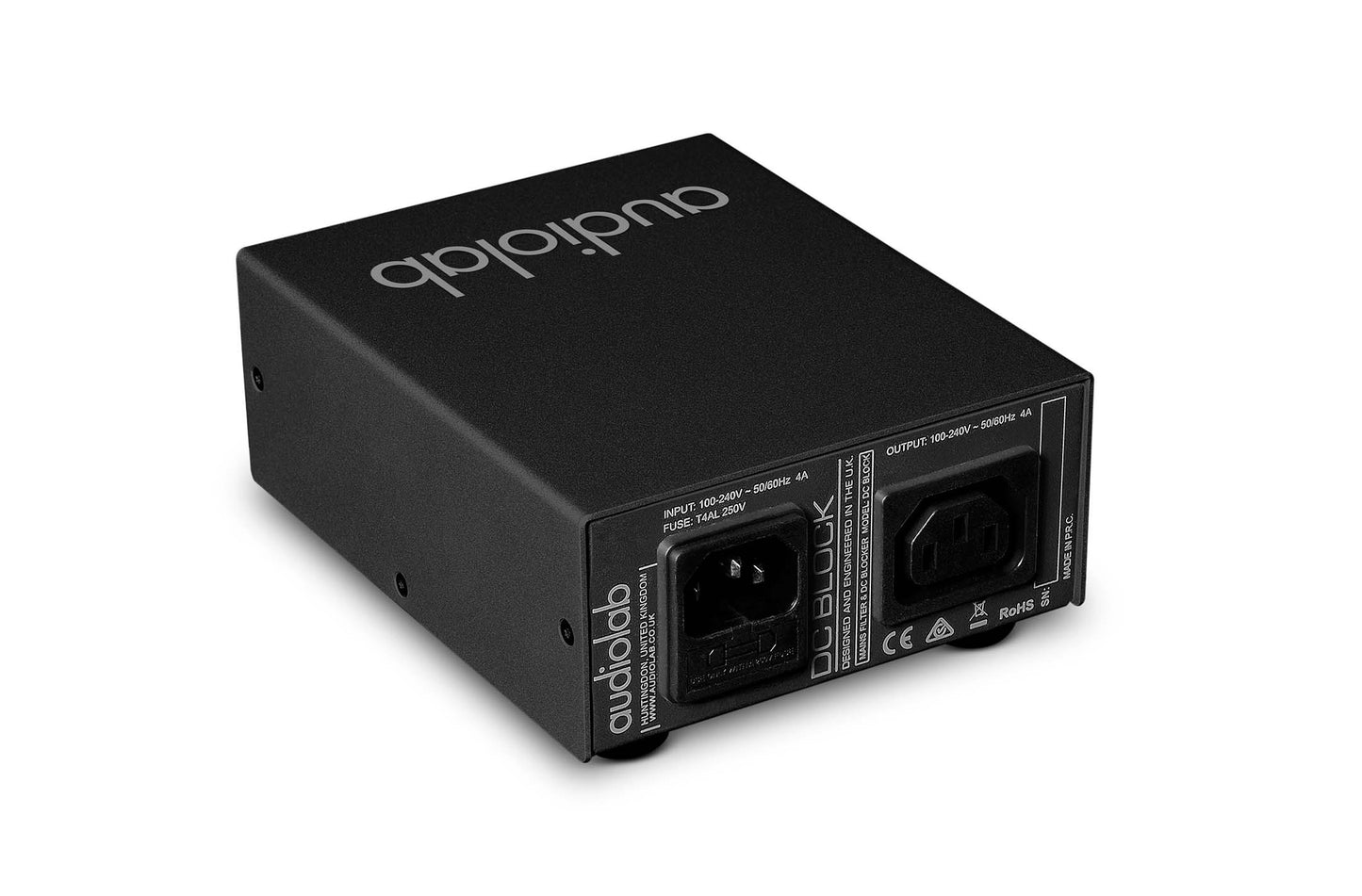
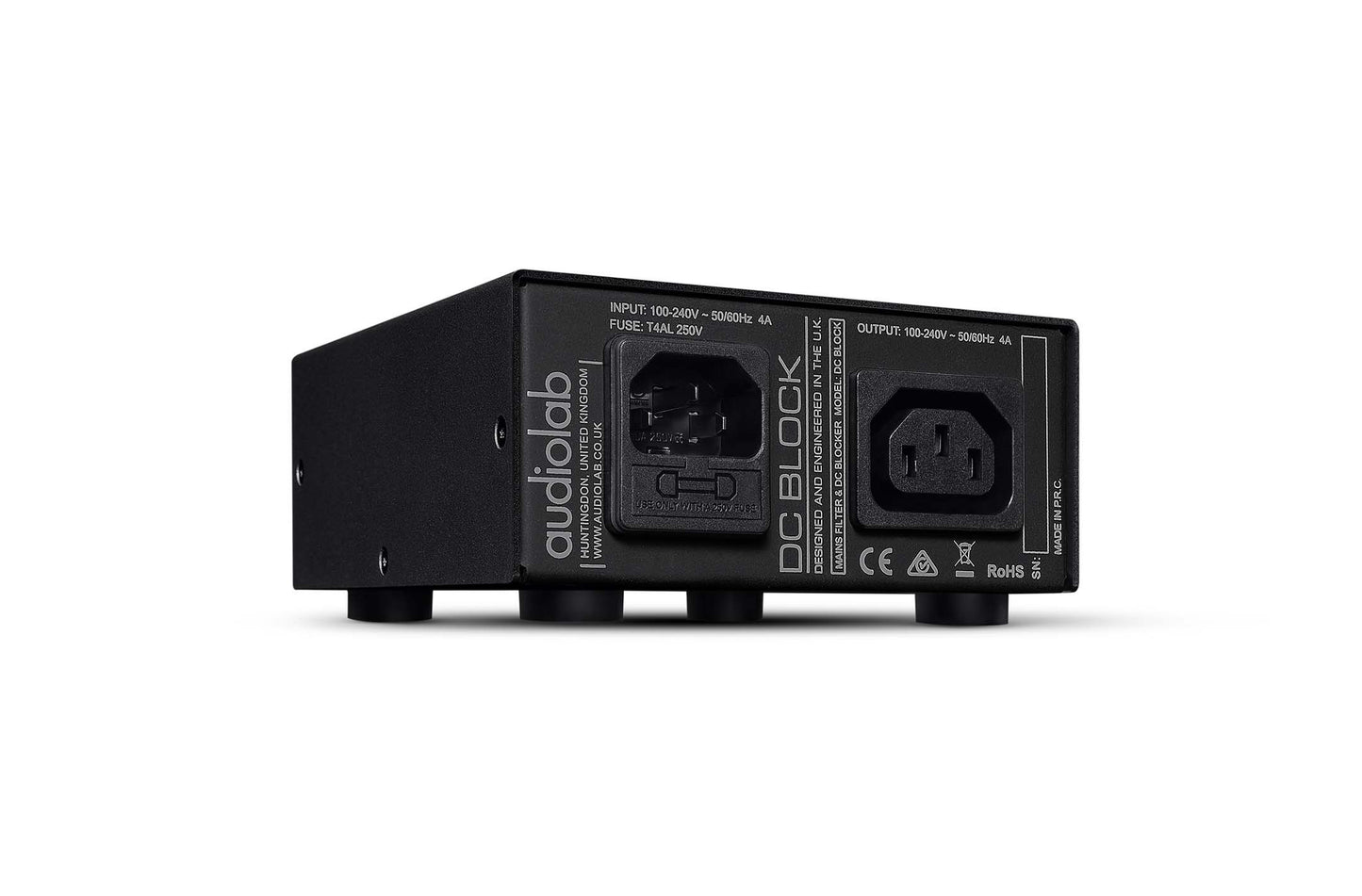
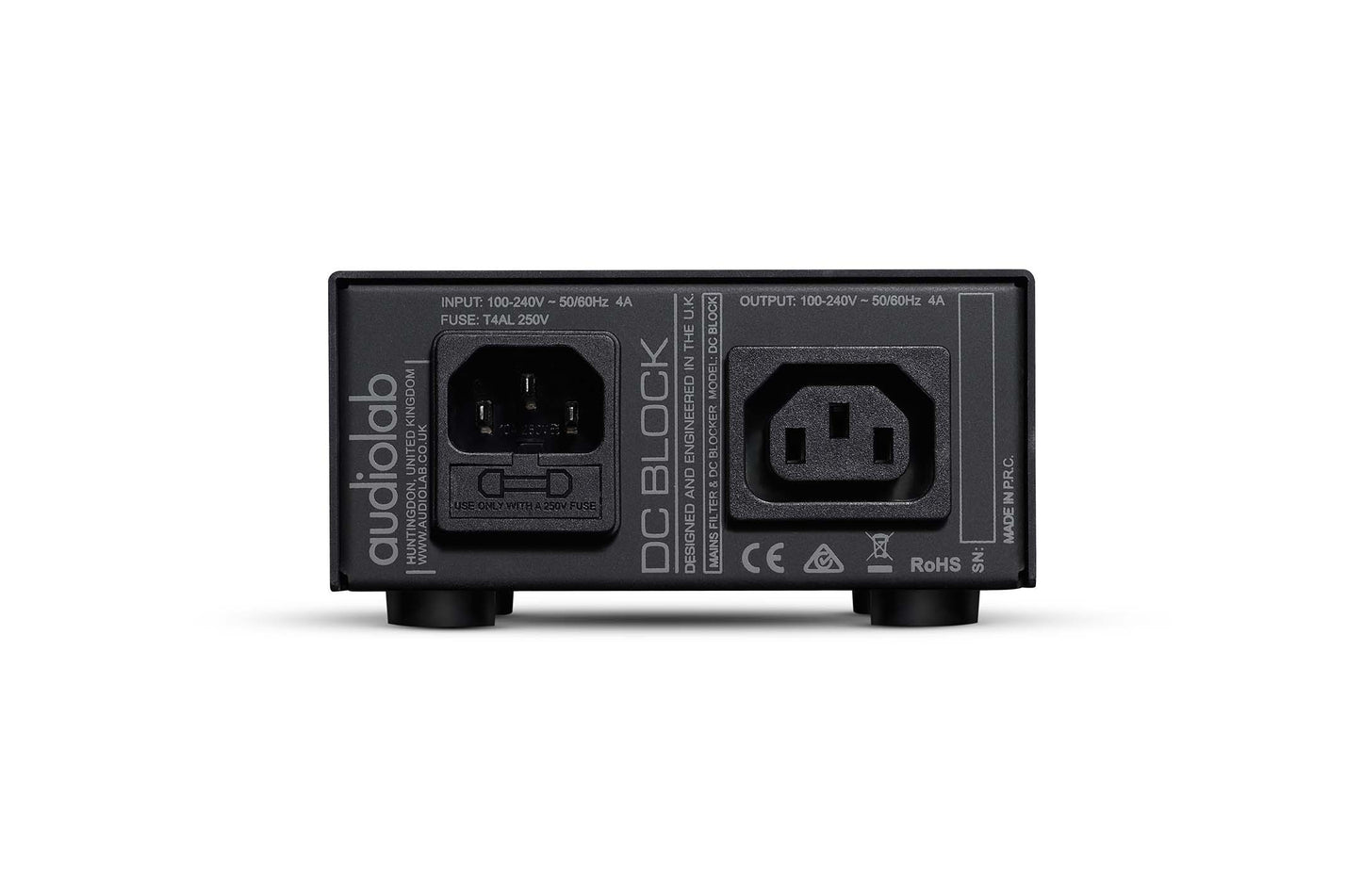
Cleaner power for purer sound. The audiolab DC Block is designed to remove DC offset and reduce mains-borne noise from your power supply, improving the performance of hi-fi components such as amplifiers, DACs and source equipment. Compact, elegant and highly effective, it enhances system clarity, detail and overall stability.
Eliminates DC offset to reduce transformer hum and vibration
Filters mains noise for cleaner, more stable power
Improves clarity, dynamic range and low-level detail
Compact aluminum housing suitable for any hi-fi rack
Product Overview
The audiolab DC Block addresses two common issues in hi-fi systems: DC offset and electromagnetic noise on the electrical line. DC offset causes toroidal transformers to buzz or vibrate, degrading performance. By filtering DC from the mains supply, the DC Block ensures transformers operate silently and more efficiently.
Additionally, its noise filtration helps reduce interference that can obscure fine musical detail. The result is a smoother, more refined presentation across your system—proving that power quality is a crucial part of high-fidelity playback.
Listening Experience
When introduced into a system, the DC Block provides a cleaner, quieter and more focused listening experience. Users often report tighter bass, improved micro-detail, reduced background noise and greater dynamic expression.
Amplifiers and DACs particularly benefit from the improved power stability, resulting in increased transparency and smoother treble performance.
Recommended Use Scenarios
Ideal for stereo hi-fi setups, home cinema amplifiers and sensitive digital components where power cleanliness directly influences sound quality.
Ideal Applications
Integrated amplifiers and pre/power combinations
DACs, streamers and CD players
Phono stages and headphone amplifiers
Systems affected by transformer hum or noisy mains
Technical Specifications
Type: DC blocker and mains noise filter
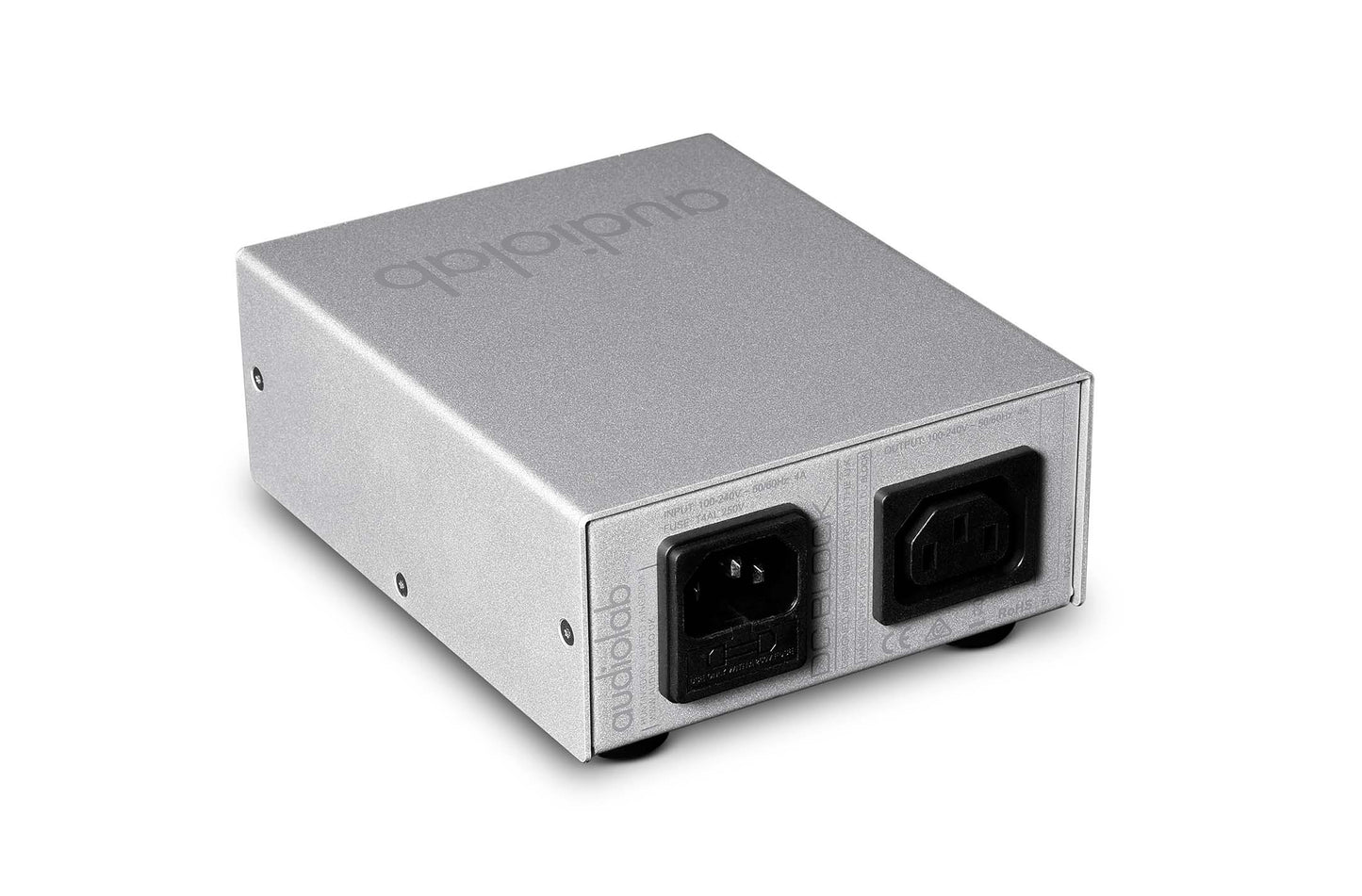
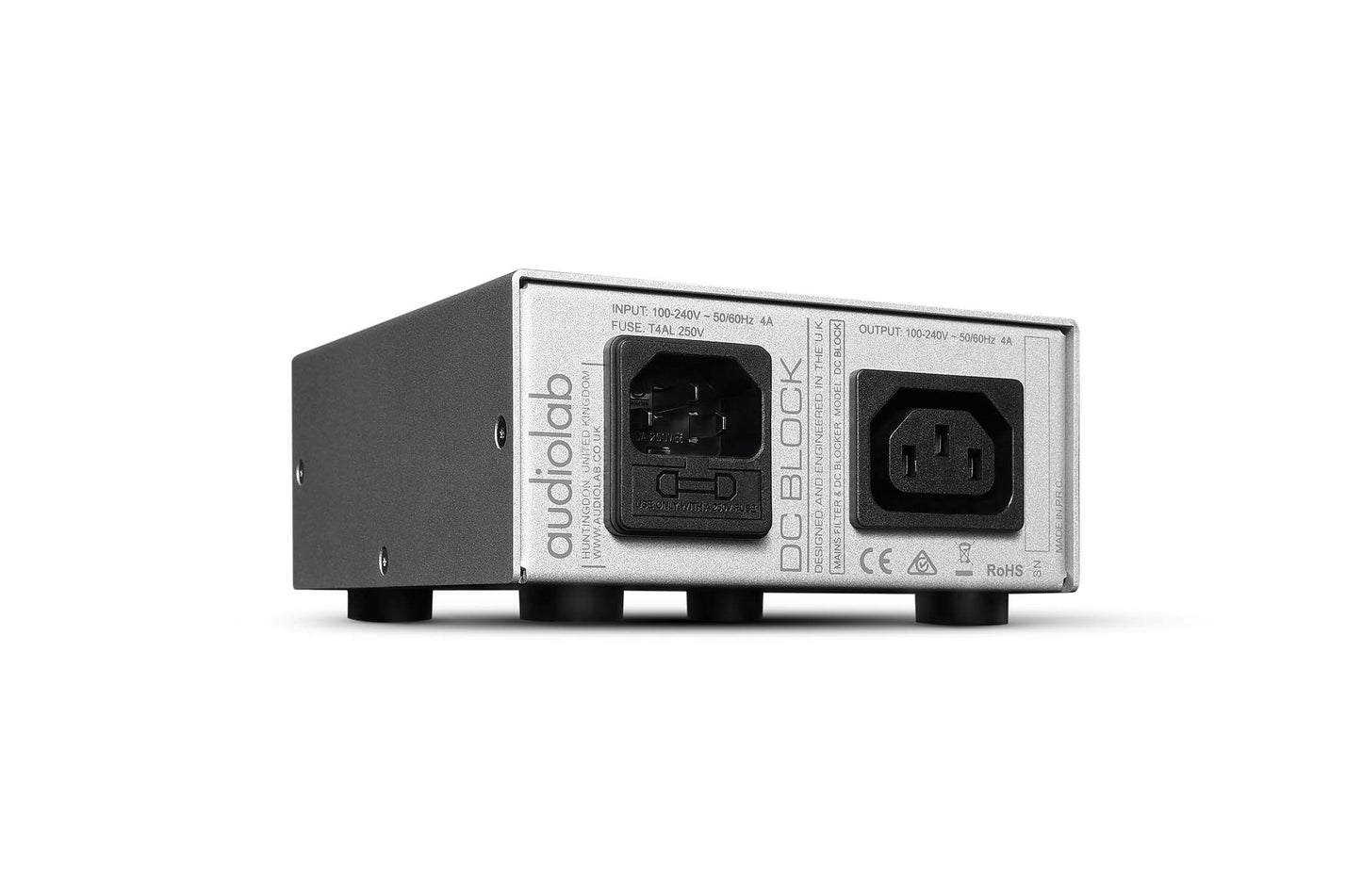
Input/Output: IEC power inlet and outlet
Maximum load: Suitable for most integrated amplifiers and source components
Construction: Aluminum chassis with internal shielding
Function: Removes DC offset and filters mains noise
Installation: Simply insert between the wall outlet and your component
Why Choose the audiolab DC Block?
The audiolab DC Block is an essential upgrade for enthusiasts seeking cleaner, purer audio performance. By stabilizing the power supply and eliminating DC offset, it helps your hi-fi equipment operate at its full potential—unlocking greater detail, clarity and musical coherence. A compact yet highly effective addition to any revealing audio system.
Discover the differences between the Zidoo Z9X 8K, Z30 Pro, Z3000 Pro and UHD8000. Find the ideal media player for your movies, music and home cinema setup.
Discover the differences between the Zidoo Z9X 8K, Z30 Pro, Z3000 Pro and UHD8000. Find the ideal media player for your movies, music and home cinema setup.
A practical guide to choosing between the Eversolo DMP-A6 and DMP-A8, including connectivity, audio performance, system matching and value considerations.
A practical guide to choosing between the Eversolo DMP-A6 and DMP-A8, including connectivity, audio performance, system matching and value considerations.